The Impact of Digital Marketing on Consumer Behaviors
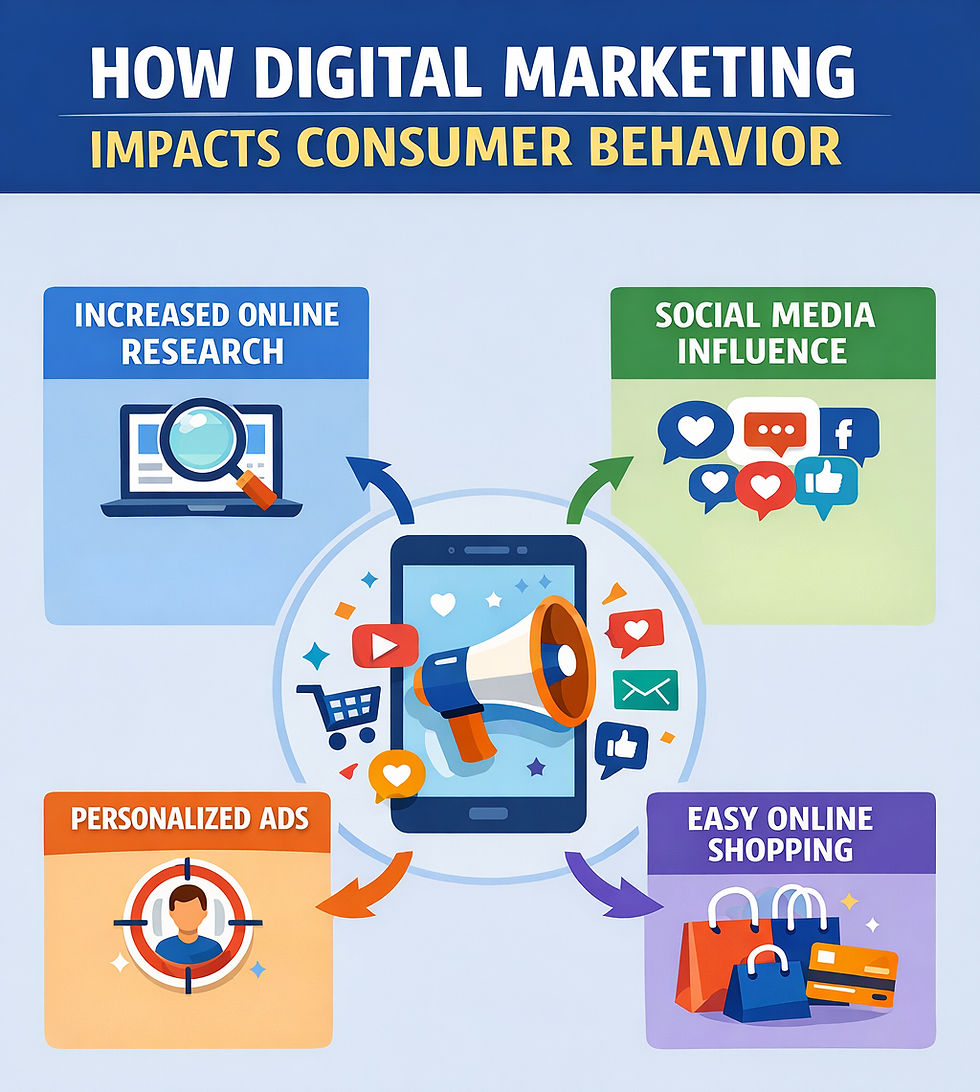
As a prospective buyer or online window shopper, browsing and making informed decisions is now easier than ever – thanks to comprehensive developments in digital marketing and online e-commerce platforms that have taken effect over recent years. Not even twenty years ago, consumers relied heavily on brand trust built through word of mouth, and otherwise had little control over the information they received to motivate their purchasing behaviors.
But in today’s day and age, almost too much information is readily available at the click of a button – guiding consumer choices in a way so seamless that they don’t even realize they’re being persuaded. The evolution of digital marketing, and the increased access to technological tools in general, has opened a new door for brands to sway the narrative in their favor – but at what cost? I’ve asked four experts in the field to share their thoughts, and here’s what they said.
“Digital marketing highlights the emotional buyer behavior because it doesn’t sell products, it sells feelings. The endless influx of targeted content is subconsciously shaping how people see themselves. The stress and burnout that comes with this constant stream shows up in the workplace every day. That’s exactly why the work I do teaches people the tools and strategies needed to manage and process that stress before the breaking point,” said Fei Daniel, a Corporate Wellness Educator & Marketer.
This initial insight provokes the first question – are there potential damages associated with increased digital marketing? In an industry that sells on feelings and sometimes intuitive desires, Daniel brings an underdiscussed topic to light – how online agendas have shifted narratives from a willing exchange of opinions, to a “pay to play” battle for the top spot. When buyer feeds are oversaturated with irrelevant ads, or just filled with products that aren’t truly a match – they are left with a feeling of resentment towards the industry and the sources of exposure.
“Digital marketing has drastically reshaped consumer behavior. Years ago, consumers had little control over the ads they were exposed to. Today, powerful digital platforms allow people to choose, filter, and even opt out of the marketing they receive. As a result, consumers are more selective, informed, and in control of the information they engage with,” said Eryn Marshall, Brand Representative at Commonwealth Brewery.
As a brand representative, Marshall understands the front lines of what consumers are resonating with. As digital marketing tools have evolved, consumers have adapted – and in some instances seem to welcome the power of oversharing to make more informed decisions when purchasing products.
“I think digital marketing has made consumer behavior more informed and interactive. Consumers now, as opposed to before when digital marketing was non-existent, research extensively before purchasing; compare reviews on forums, check social media for comments and posts from influencers and customers, and expect personalized experiences and to be reached out. It has also shortened the buying cycle while increasing comparison shopping and price sensitivity.
In addition, digital marketing has made poor marketing practices highly visible. Consumers can quickly identify when a brand makes a mistake or engages in questionable behavior, and they are not hesitant to call it out publicly or switch to another option. Because digital channels offer so many alternatives, it is easier than ever for consumers to move on, making brand trust more fragile and accountability more immediate,” said Diana Bello Aristizábal, a pro in the journalism industry.
Aristizábal’s take sees both sides of this debate neutrally. For one, digital marketing and increased online access has indeed equipped buyers with the tools and resources to make informed decisions independently. On the other hand, the prevalence of digital marketing techniques has uncovered a weakness in poor practices – giving consumers the knowledge to identify and differentiate poorly executed campaigns as they see them in real time.
“As a professional who works primarily in digital marketing, I see the benefits that this avenue has on amplifying brand reach and visibility. If there were no options to boost posts and increase ad perception, our products and services would not have a clear path to reach consumers who are searching for us,” said Michelle Morales, Marketing Coordinator and Content Creator at WindyLaw.
Morales’s perspective uncovers a new perspective, which primarily discusses how brands and businesses use online platforms to gain visibility and traction. In a world where every industry is oversaturated with digital campaigns, it’s important to realize the role that digital marketing plays in keeping brands relevant – as consumers are more likely looking online to guide their purchasing behaviors than ever before.
After interviewing these four industry experts – each bringing their own experience and opinion to the discussion, it remains clear that there is an apparent benefit and consequence of continuing digital marketing practices on the path that it is following. While new innovations allow for increased consumer awareness, they also oversaturate the industry with tailored campaigns that can be more emotive than factual.
After carefully weighing the opinions of all the experts who took the time to share their honest thoughts, I can say that while there are apparent benefits to the ease and accessibility of digital marketing, there is a clear need for the industry as whole to reevaluate their processes and set clear, impartial guidelines, to ensure the next five years do not lead to a bigger, even irreversible shift.
As the times are quickly changing, we as industry professionals must change in a swift cadence, with considerability and consumer satisfaction at the front of mind.


Comments